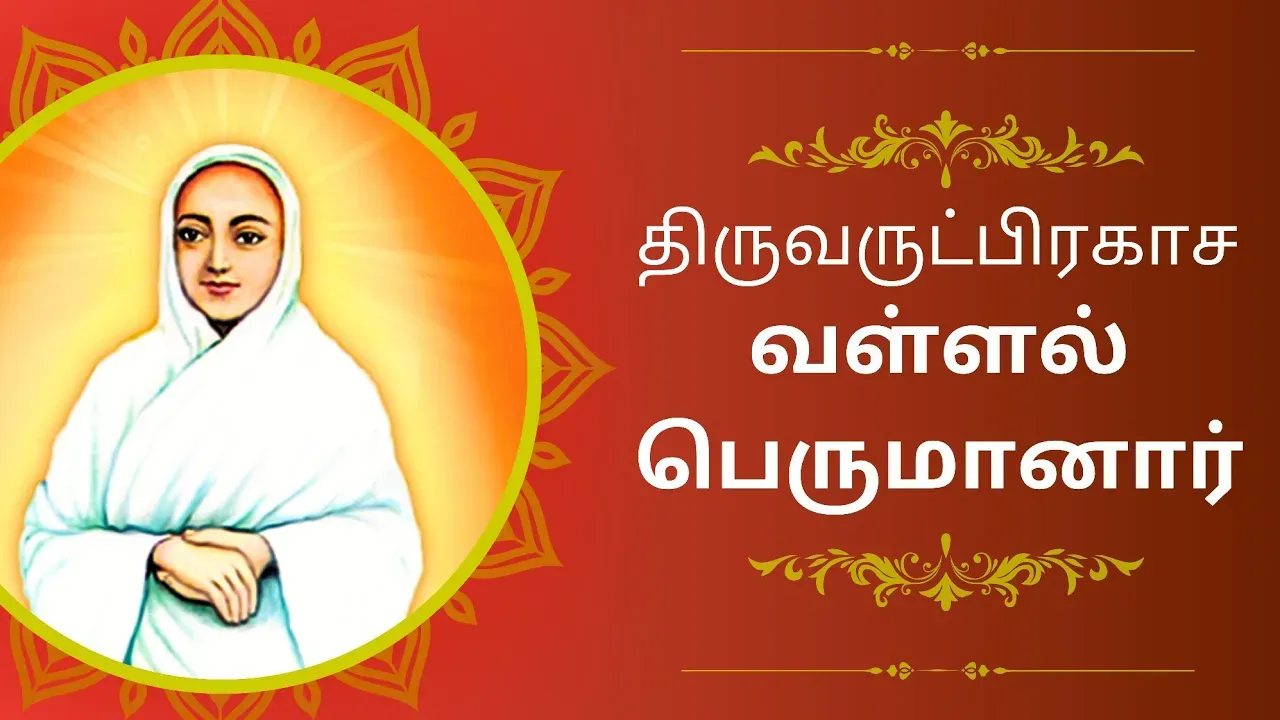
Biography
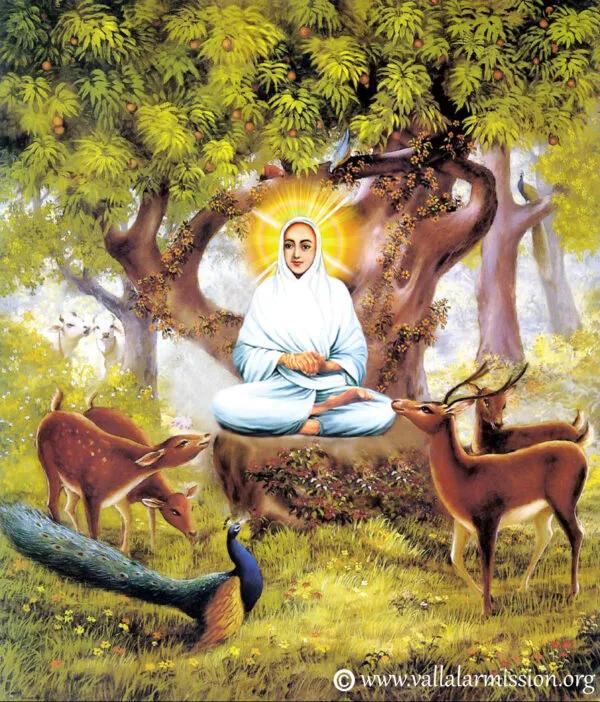
Swami was a Gnana Siddha who taught that the deathlessness of the body is an essential part of realizing the one blissful Divine. He was an embodiment of compassion, with an intense love for humanity and for all living creatures.
His knowledge of the Divine and his compassion for all beings grew together. He prayed for miraculous powers, not for himself, but so that he could serve all souls, and he served others throughout his life.
“Human compassion is the only ladder to the spiritual heights.”
Swami was a born Tamil poet. He wrote six thousand verses of divine inspiration, the Thiru Arutpa, along with musical compositions, prose works, commentaries, letters to his followers, and oral teachings later recorded by his disciples.
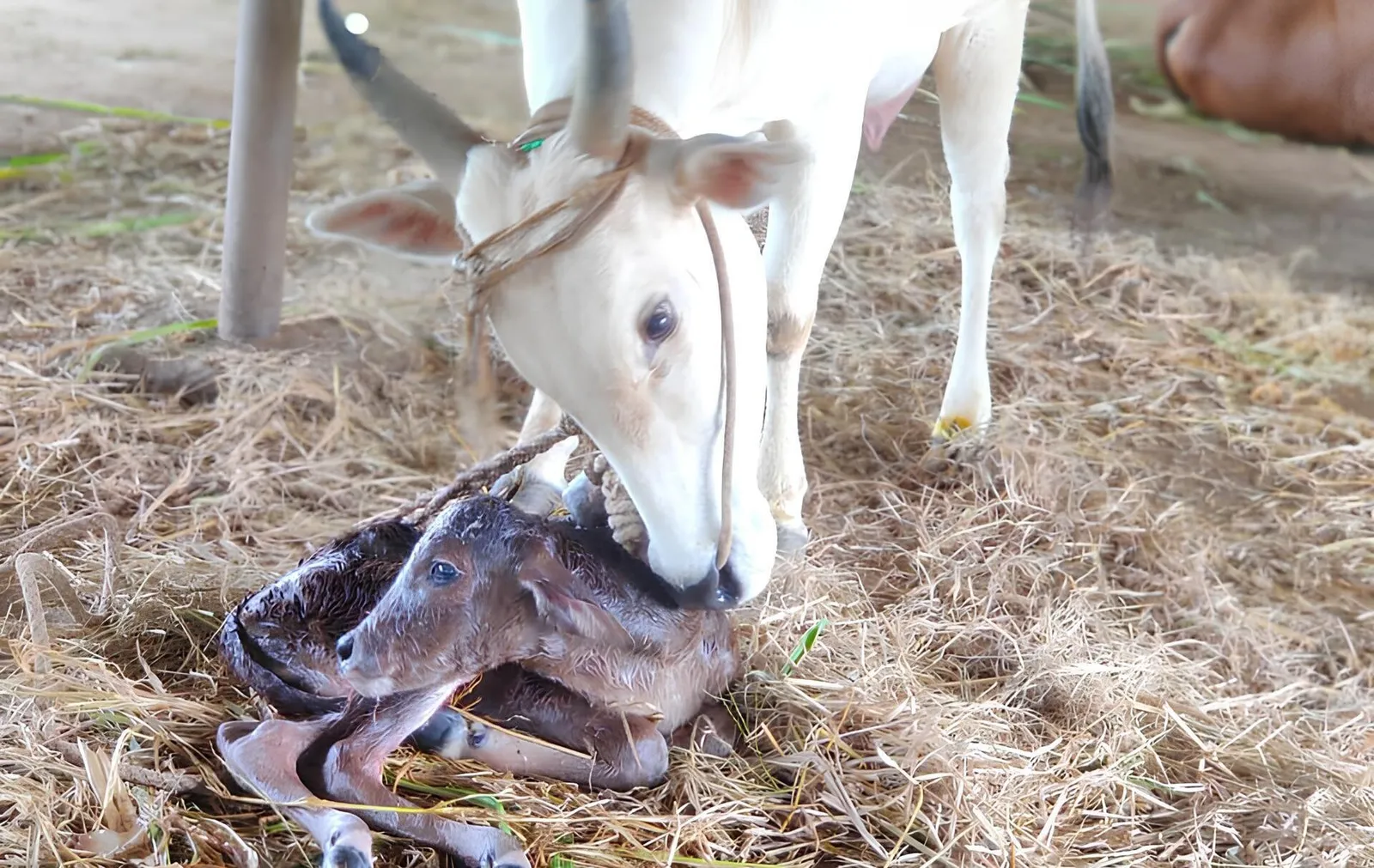
Birthplace: Marudhur
One day, when Ramiah Pillai was away from home, a saint in saffron robes visited the house. He was received with courtesy and served a good meal. Before leaving, he blessed the lady of the house with sacred ash and said:
“You will beget a son, who will be able to deliver the art of deathlessness, which will be a boon to the entire world.”
She gave birth to a son on 5 October 1823, and the parents named him Ramalingam. Marudhur is 10 km from Vadalur, and thousands of devotees visit it every year.
Samarasa Suddha Sanmargam
Swami lived among the people, healing their ailments and teaching the principles of Samarasa Suddha Sanmargam, which combines service to others with spiritual practice. It is not a new religion. It asks people not to be confined by any one religion, but to rise above differences of caste, creed, religion and nationality and experience the ultimate reality.
The main aim of Suddha Sanmargam is to learn the art of deathlessness: to enjoy the everlasting bliss of the Divine in a body free from disease, aging, decay and death. To establish this path, Swami founded the Samarasa Suddha Sanmarga Sathya Sangam in 1865.
“By an error the people have consented to die, and His Sangam is out for annihilation of death itself.”
Sathya Dharmasalai (1867)
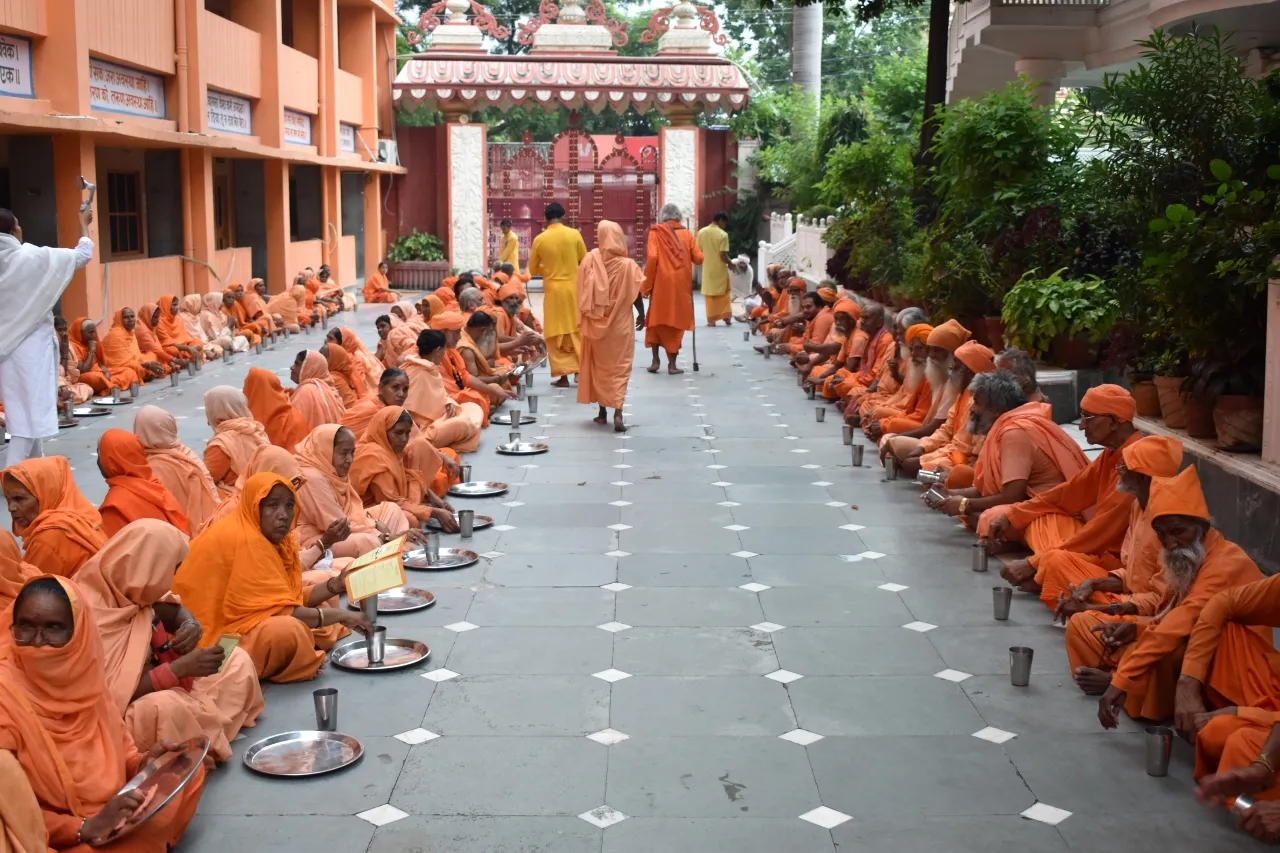
According to Suddha Sanmarga, the two essentials of human life are love expressed through charity, and spiritual practice that leads to pure knowledge by divine grace. Swami expressed these in two buildings: the Sathya Dharmasalai and the Sathya Gnana Sabha.
He opened the Sathya Dharmasalai, the House of Charity, in 1867 to feed the poor and the hungry. The feeding has continued every day since it began.
Sathya Gnana Sabha (1872)
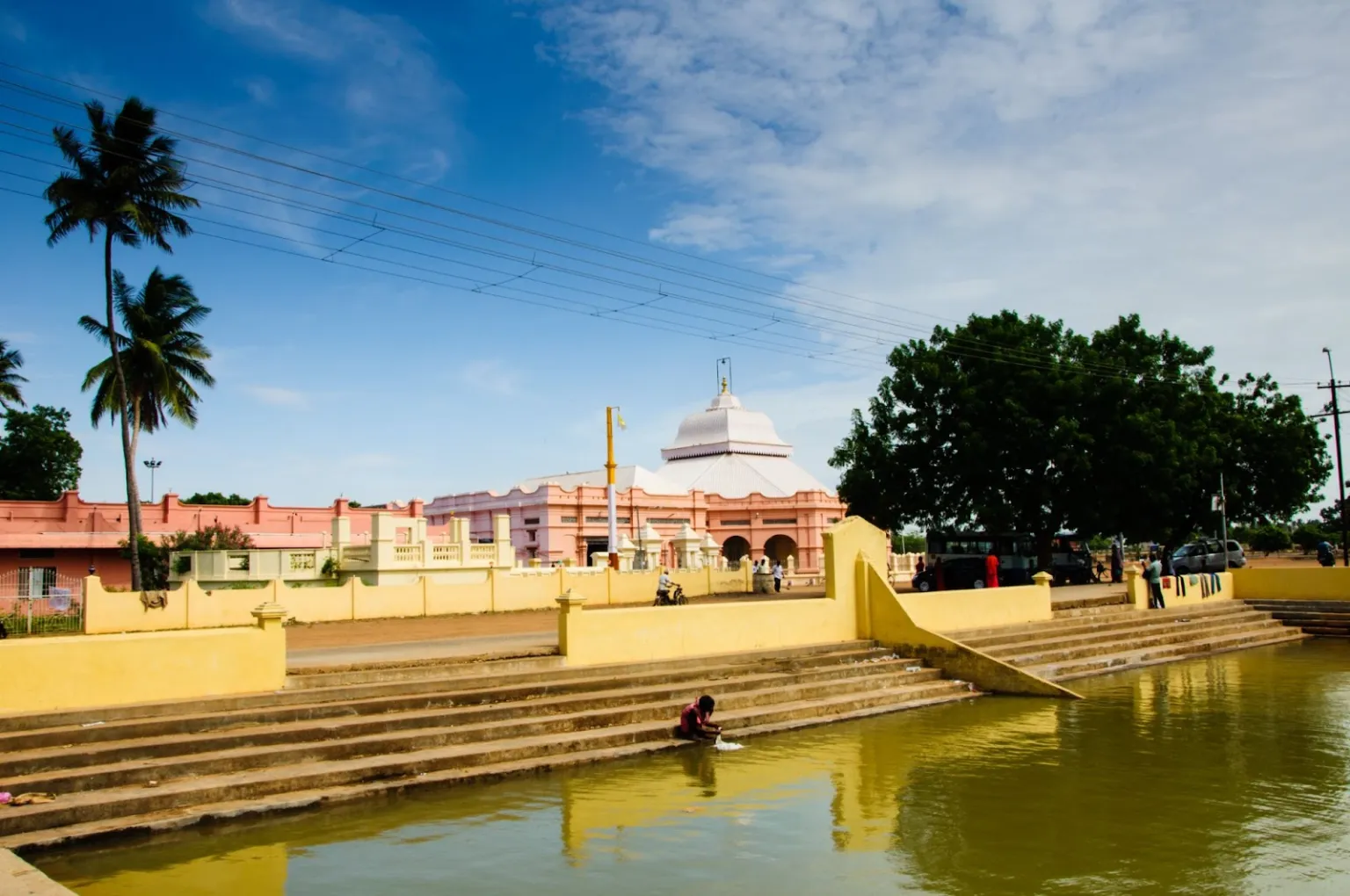
God is the father of all humanity and showers grace on all without discrimination, so people should not discriminate between one another. Swami declared that the Sathya Gnana Sabha, the Hall of Wisdom at Vadalur, would inspire all who sincerely support the equality of people.
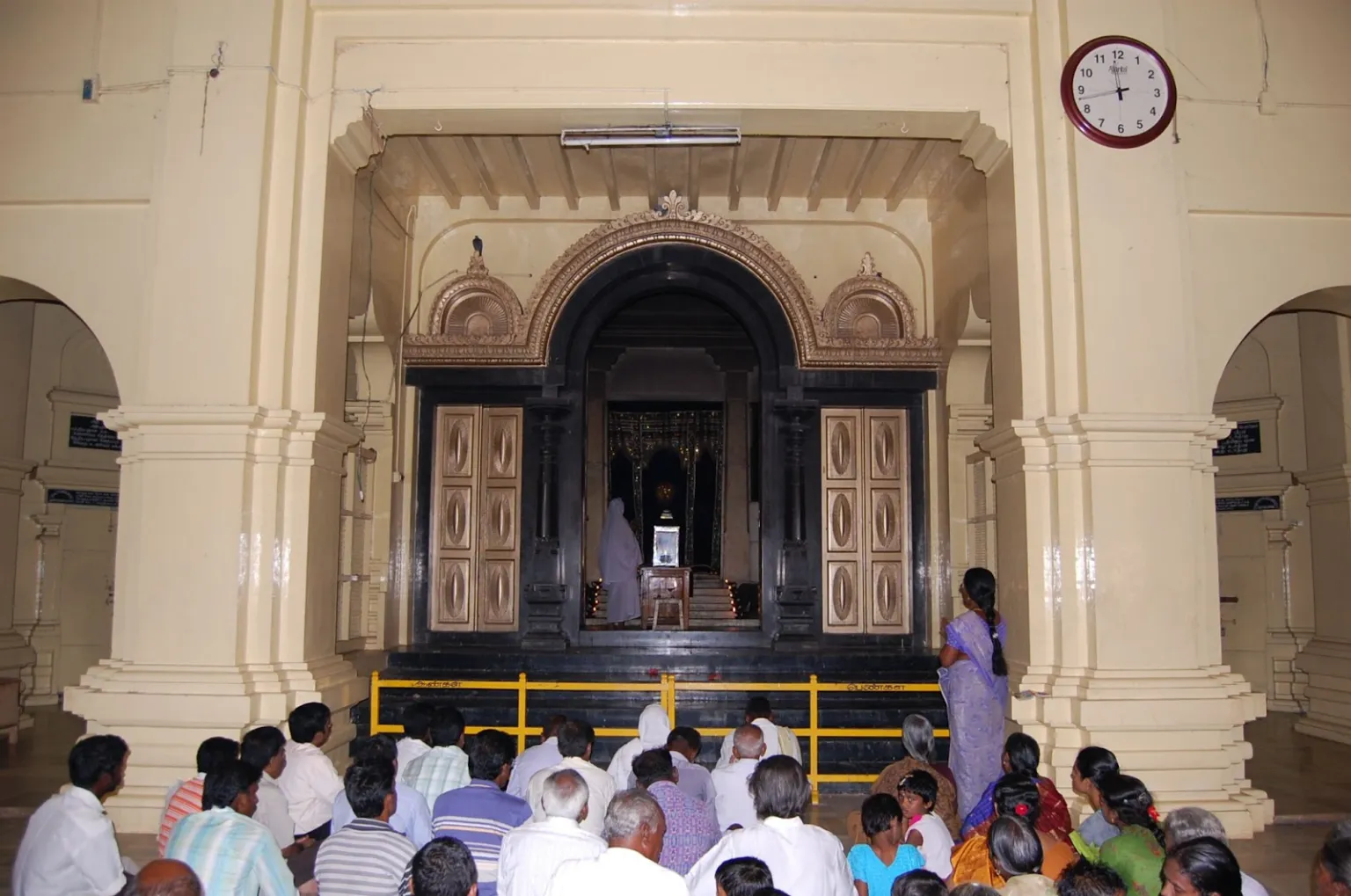
Swami’s vision of the Lord as light deepened until he saw his own soul as light, which he called the Hall of Pure Wisdom, and perceived Arutperunjothi within it. To represent this experience, he had his disciples build the Sabha. It has no idol. A large lamp stands on a raised platform, with a sheet of glass about five feet high in front of it.
The Sabha is an octagonal, lotus-like building. An altar with five steps on each side holds the lamp, and seven curtains of different colours hang before it. They represent the powers that hide the true self and the Supreme from the mind.
The design of the Sabha
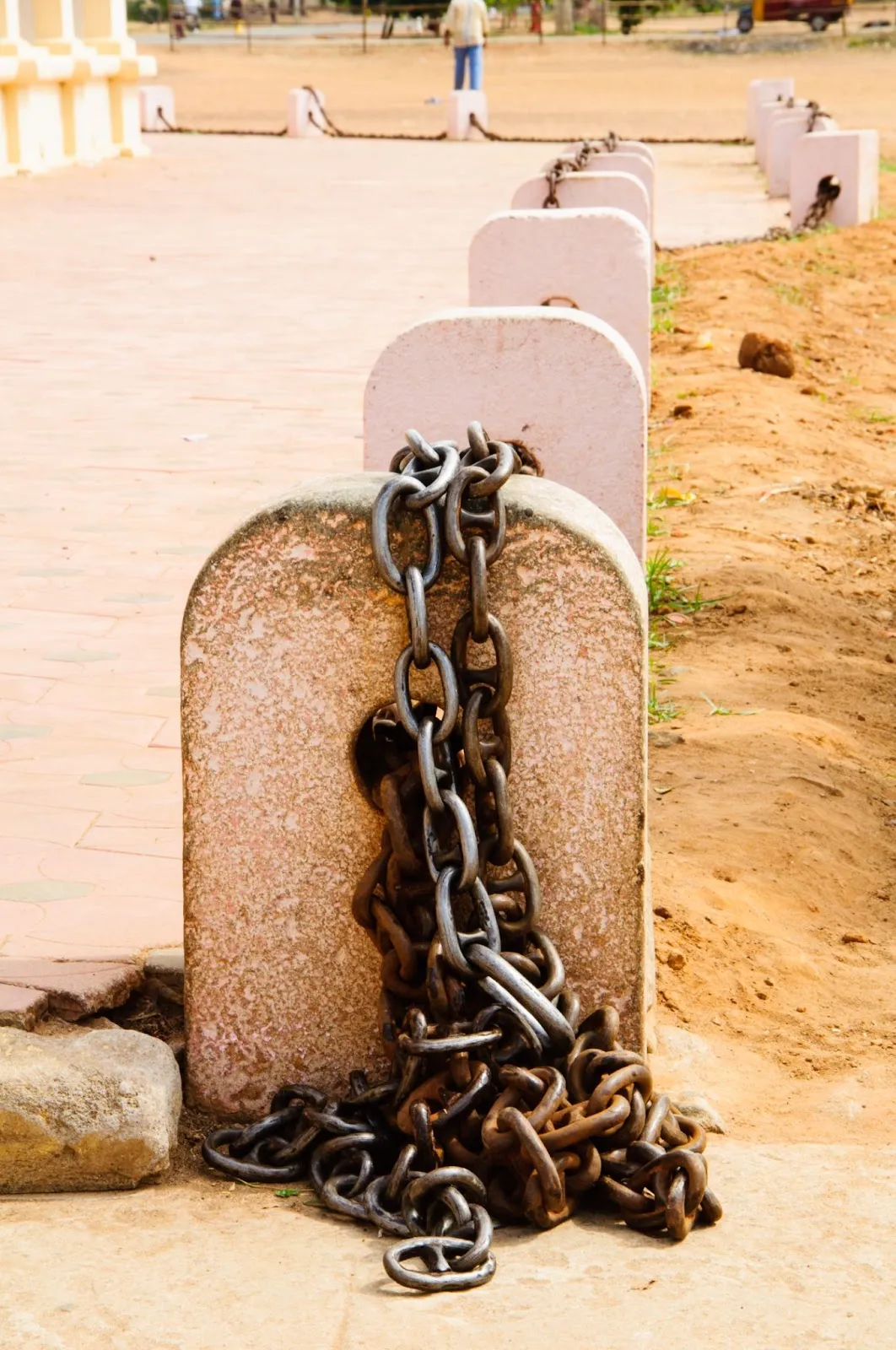
- The octagonal outer structure represents the physical body of eight spans. The double iron chain fence has 21,600 knots, the number of breaths a person takes in a day.
- The inner octagon, with 24 doors and windows, represents the subtle body and the 24 tattvas.
- The sanctum, with the lamp on an altar of five steps on each side, represents the causal body and the five powers of the Almighty.
Jothi Dharshan
Every Poosam star day, 7:45 to 8:30 PM
On Thaipoosam all seven curtains are removed
Daily pooja and aarthi
Morning: 11:00 AM to 12:00 PM
Evening: 6:00 PM to 7:00 PM
The Sanmarga flag and Mahamanthra (1873)
On 22 October 1873 Swami hoisted the yellow and white flag of the Sanmarga Sangam, delivered the Great Sermon, and gave his disciples the Mahamanthra of Arutperunjothi.
அருட்பெருஞ்ஜோதி அருட்பெருஞ்ஜோதி
தனிப்பெருங்கருணை அருட்பெருஞ்ஜோதி
Arutperunjothi Arutperunjothi, Thaniperungkarunai Arutperunjothi
The realization of the existence of Supreme Grace Light all over: the direct perception of, and communion with, the Omnipresent Supreme Grace Light.
Swami described his experience of grace as becoming one with the Lord. In one poem he writes:
“My Lord, today you have shown yourself to be within me and me to be within you, and thus removed my suffering and done me good.”
Siddhivalaagam, Mettukuppam (1870)
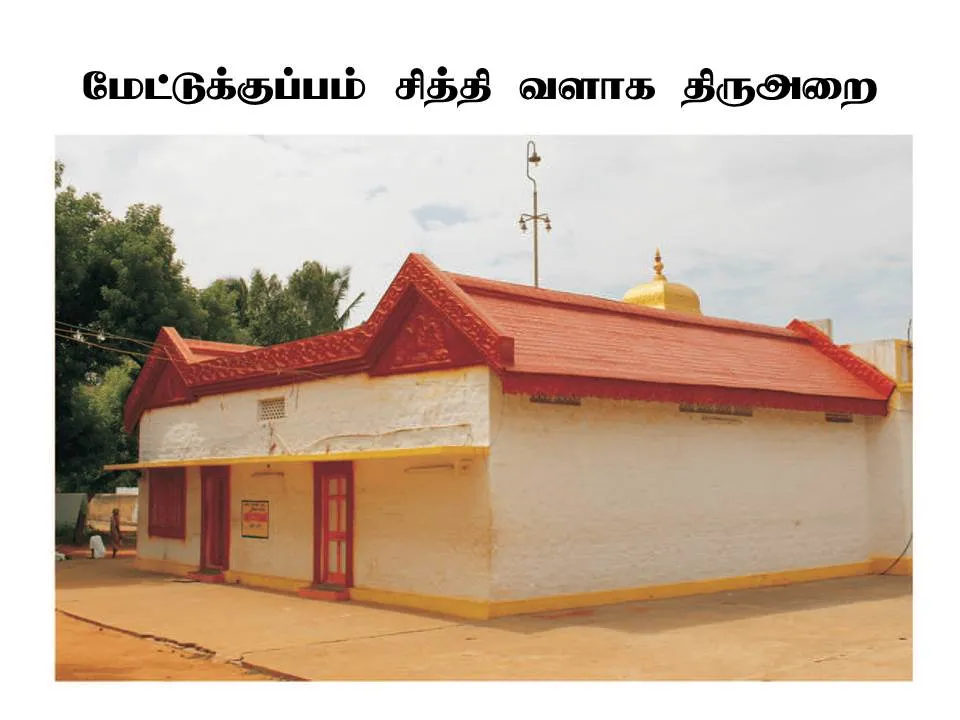
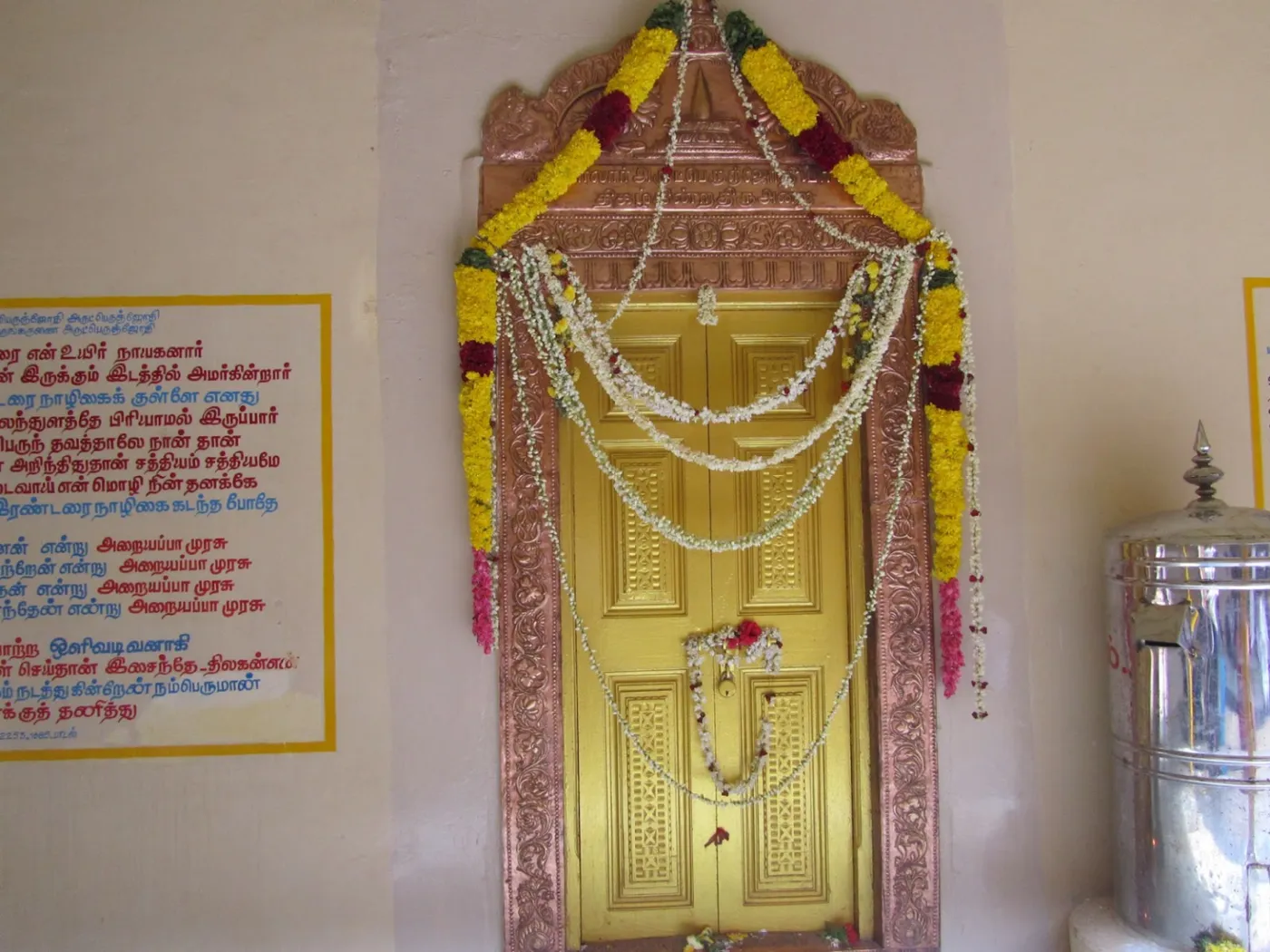
In 1870 Swami settled in the village of Mettukuppam, where the people dedicated an ashram to him. He named it Siddhivalaagam.
- Swami wrote the Arutperunjothi Agaval here.
- He hoisted the yellow and white Sanmarga flag here on 22 October 1873 and gave the Great Sermon.
- He began light worship as a common altar for all people.
- On 30 January 1874 he merged with the Divine in the holy room of Siddhivalaagam.
On the third day of the Thaipoosam festival, the Holy Room (Thiruarai) is opened for public Dharshan, and thousands of devotees come to receive Swami’s blessings.
Immortality
In his poems Swami describes praying for a body that could not be destroyed by nature, disease, time or any other means, and receiving it by the Lord’s grace.
Three stages of transformation
- The physical body is transformed into a pure body.
- The pure body is transformed into a body of gold and light.
- The golden body is transformed into a body of wisdom.
On most days Swami took no food, yet remained active. Photographers tried to take his picture but never succeeded.
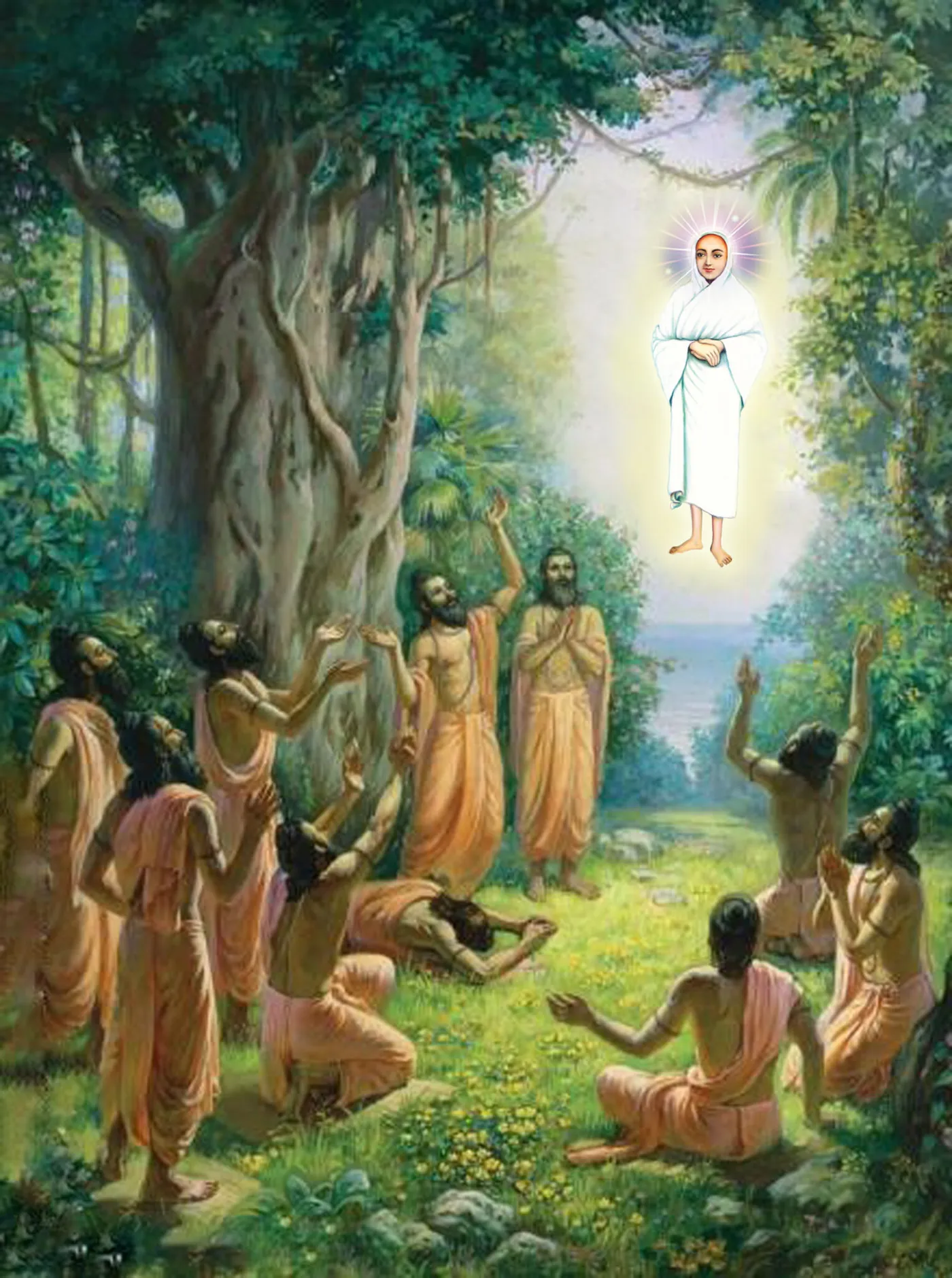
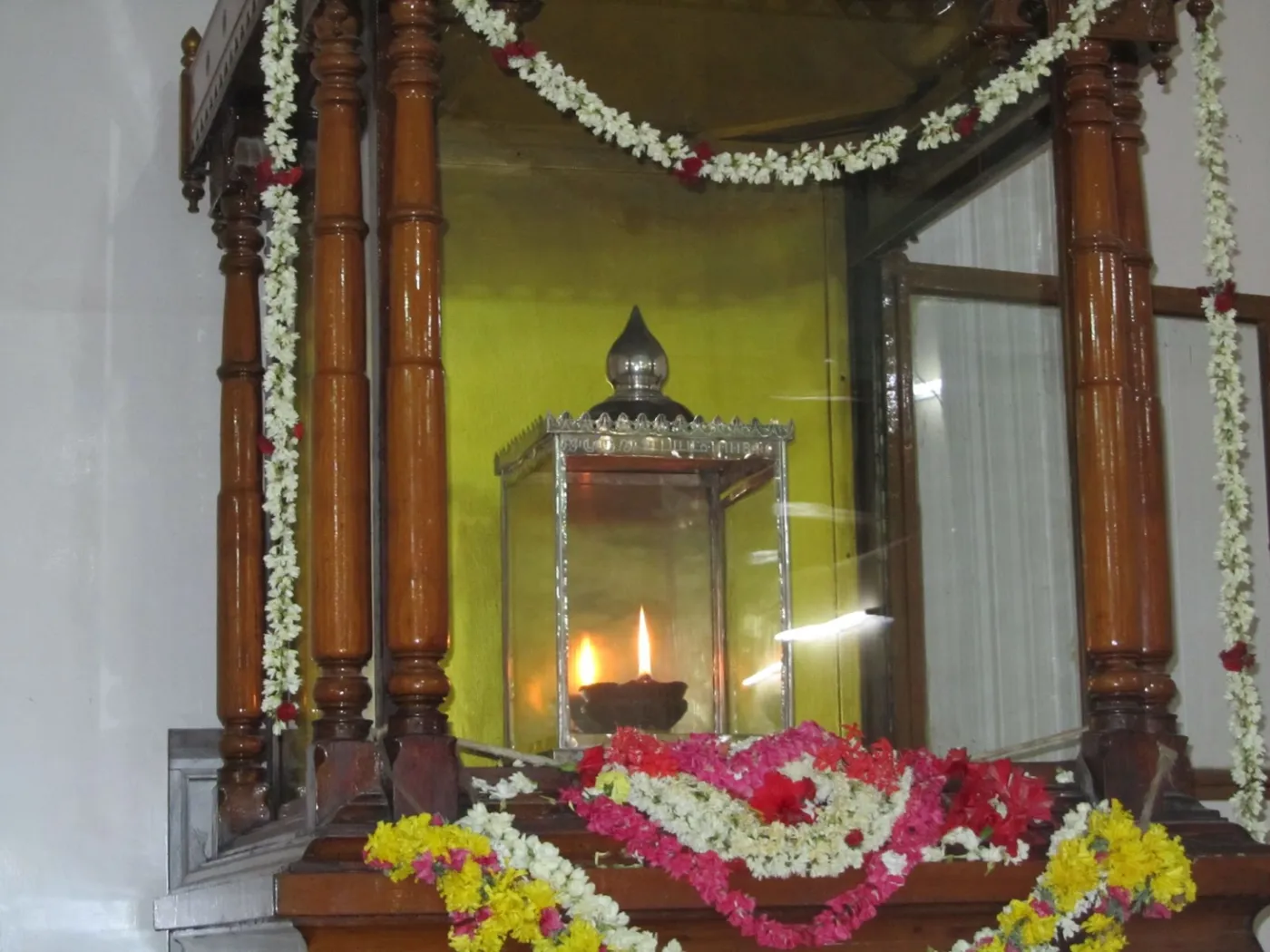
Swami placed the lamp from his room outside it and told his followers to worship it as God, following the path of love and kindness towards all living beings. On 30 January 1874 he locked himself inside the room and said that if it were ever opened, it would be found empty, for he would enter the soul of every person and guide them to grace. Hundreds of devotees and officials were present. When the room was opened, it was empty.
Principles of Samarasa Suddha Sanmargam
Vegetarianism: God in all beings
“All living beings are part and parcel of the Natural truth and are the place for the manifestation of Grace. To kill a being to appease the hunger of another being is fully against the policy of showing compassion to all living beings.”
We believe that all life forms are manifestations of God and that human life is precious. A devout person feels gratitude towards all beings and respects them as himself.
Each of us can help prevent the killing of animals simply by choosing vegetarian food. One of the main goals of our Mission is to share the benefits of vegetarianism through pamphlets, books and public demonstrations.